An opinion on the equal treatment of those without our responsibilities and cool toys.
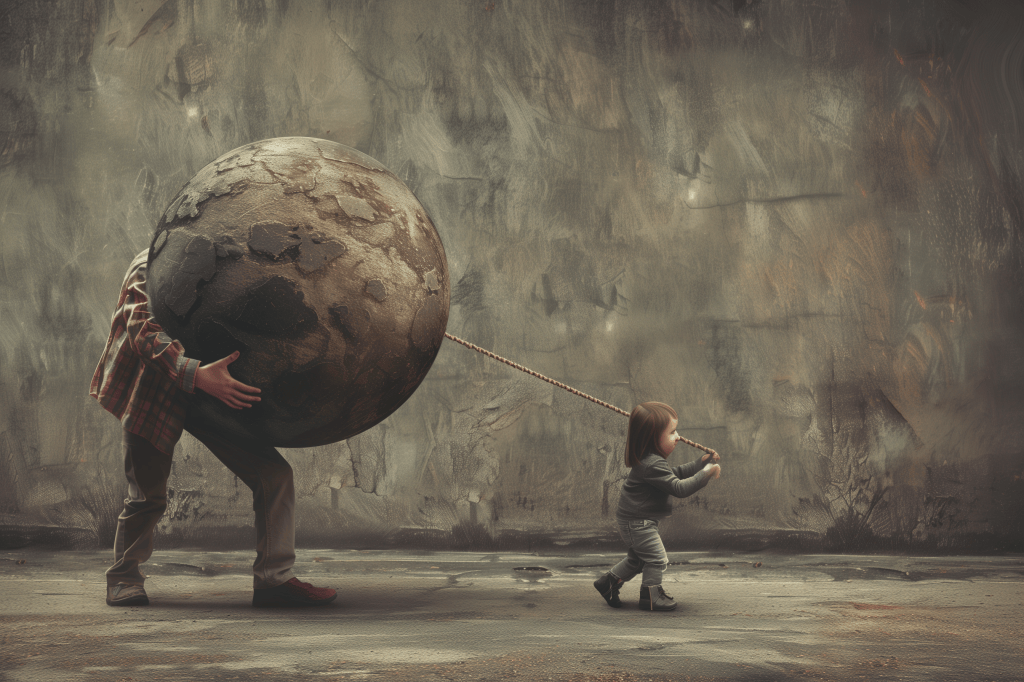
Becoming a parent is a transformative experience, one that I’ve been navigating for nearly two years now. To be candid, it hasn’t been an easy journey. The initial six weeks were particularly challenging, leaving me bedridden and grappling with depression. This stark contrast to my life in the preceding 5-7 years, which had been instrumental in shaping me as a man, was jarring. My formative years in Squamish, a Western Canadian logging town turned yuppie safe haven, hadn’t fully prepared me for this new role. I’d thrown caution to the wind more times than I could remember and now here I was responsible for a little human. Despite some exposure to young children through my ex-partner’s work (who is also the mother of my child), nothing could have truly readied me for the profound shift in perspective that parenthood would bring.
Why “Little Humans?”
It’s common to hear people refer to children as “kids,” “children,” or even less flattering terms like “pains in the ass.” However, the core argument of this piece is that these labels fail to capture the essence of who these young individuals truly are. They aren’t lesser beings on some hierarchical tree of human existence. Rather, they are simply us – without the accumulated baggage and responsibilities that adulthood brings.
Philosopher Alain de Botton encourages us to extend the same charity to all our loved ones that we naturally offer to children. Why? Because our instinctual emotional reactions, formed so early in life, govern much of our behavior through our “lizard or mammalian brains” So, what are the benefits of treating your little human exactly as they are – a little human?
Benefits:
Little humans aren’t “stupid.” On the contrary, they are incredibly observant and absorbent. How you treat them shapes how they come to view themselves. By recognizing their capacity for understanding and growth, we nurture their self-esteem and potential.
Embracing this perspective allows you to reconnect with the little human within yourself. My daughter and I dance joyfully in the supermarket and in public spaces, and now she initiates these moments of pure, uninhibited happiness. We never force her to do something against her will, respecting her autonomy and fostering her confidence. She is also incredibly tough (see challenges) despite us only ever offering her our love when in moments of pain rather than judgment or trying to change her state.
Mutual respect is a universal principle, regardless of age or life stage. Your little human will mirror the respect you show them, creating a harmonious and supportive relationship built on trust and understanding.
Challenges:
One of the most difficult aspects of this approach is watching your little human get hurt. Unless there’s a direct danger to her safety, we allow our daughter to make mistakes and experience minor injuries. It’s crucial to distinguish between danger and hurt – falling and facing challenges builds resilience. In her wise, wise words “oopsie doopsie” – Nevertheless, witnessing your child in any discomfort is never easy, even when you understand its necessity for growth.
Sorry, You are going to be outsmarted:
I see many parents struggle with the innovative ways of messing with their parents that they find. In my opinion, so they should! Little humans are creative, blank-slate beings. Giving them space to grow and become their authentic selves aligns with the philosophy of the “Self-Driven Child” or the Japanese practice of “Mimamoru” (見守る)) (to watch and protect when translated loosely). A practice whereby you teach your little human to keep you in sight rather than constantly hovering over them. This approach fosters independence and spatial awareness.
Additionally, a little human allowed to develop opinions will certainly have them. You’ll need to hone your communication skills and build mutual respect to navigate potential disagreements effectively. Think of it this way: Your learning is their learning. You are only making them stronger. Authoritarian discipline based on punitive measures is a temporary quick fix that lets people without the ability to grow damage their little humans to protect themselves.
Don’t be them. Pretty please with sugar on top.
Analysis:
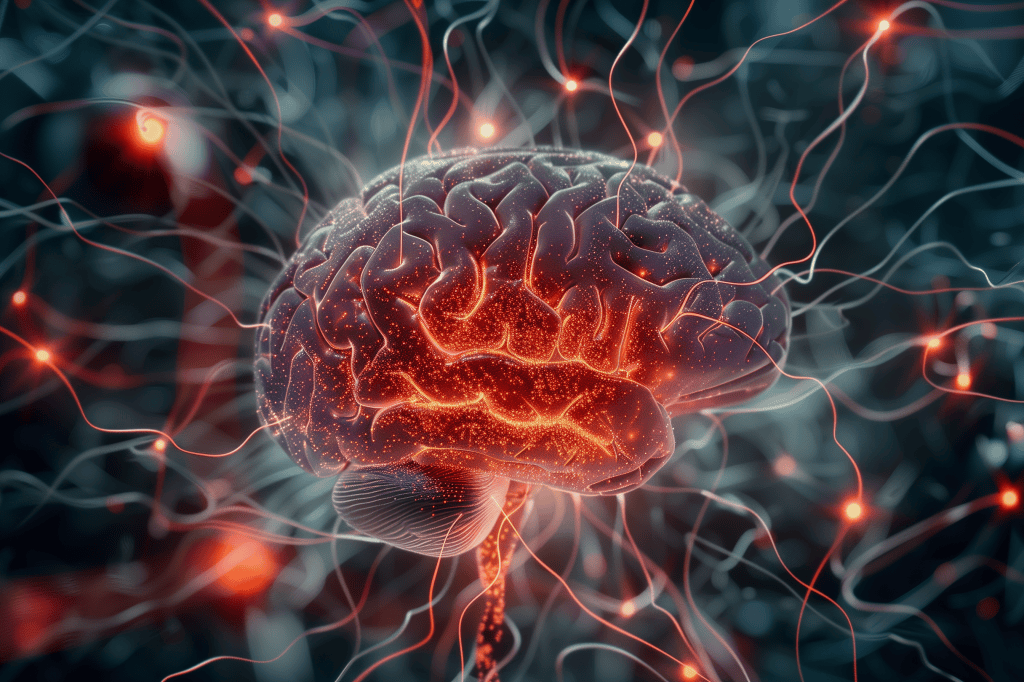
From a neurological perspective, we begin life with an explosion of neural connections as our brains grow rapidly. This is the essence of the little human phase. This expansion, coupled with the influx of new experiences, allows little humans to be incredibly creative. What might seem advanced to an adult is often the starting point for many capable little humans.
As we age, our brains undergo neural pruning, focusing on the connections we use most frequently. This follows the principle of “neurons that fire together, wire together,” which is at the heart of neuroplasticity. Recent research in developmental cognitive science has shown that neuroplasticity remains an opportunity for growth far longer than previously thought.
This understanding opens up the exciting possibility of learning alongside your little human. You can contribute your wisdom and experience to their novel ideas and concepts, born from their burgeoning and wonderfully nascent minds.
Ergo:
While it’s easy to categorize little humans as simply “kids,” “children,” or “babies,” they are not fundamentally different from us. Take a moment to reflect on your friends, relatives, and associates. If you strip away their egoic shells, how different are their actions and reactions to their environment from those of a child?
Your little humans are magical composites of you and your biological mate. Your treatment of them is of critical importance because, as parents, we play a formative role in their neurological development. When contemplating the sources of pain in your life, consider how often parents take credit for their children’s successes but not their struggles. Strive for a more balanced and honest approach.
Little humans embody the purest form of philosophical inquiry, as explored in Alison Gopnik’s book “The Philosophical Baby.” They possess an innate wisdom, an acute sense of observation, and a deep understanding of the world around them. In many ways, they are the truest reflection of our human essence.
As we journey through parenthood, let’s remember that these little humans know, see, and understand far more than we often give them credit for. By recognizing and nurturing their inherent humanity, we not only support their growth but also rediscover the wonder and potential within ourselves.
Walk the Talk, Aylex.
- Don’t make your little human do something you won’t do first.
- Never let a bruise get in the way of a good time.
- Be who you want them to be. Virtuous and reliable.
- Your emotions are not theirs.
- The next generation is going to need curiosity, creativity and critical thinking. Knowledge work will be automated.
- Love >>>>>>>>>>>>>>>>>>>> Any material thing. You can go without physical security when you share it with someone that does everything they can to make sure you are loved and feel safe with them.
- Leaders eat last. Yes, as a parent you are a leader.
- You are going to fail. Just don’t fuck up too much. Yes, Alex, that includes you.
Thank you for listening to my opinion piece if you’ve made it this far.
Peace and love, world,
::Snyata
 Aylex Riom